What Exactly is Chronic Obstructive Pulmonary Disease (COPD)?
Imagine feeling like you can't quite catch your breath, even after a simple activity. For millions worldwide, this isn't just an occasional struggle but a daily reality shaped by
Chronic Obstructive Pulmonary Disease (COPD). COPD is not a single illness but an umbrella term encompassing a group of progressive lung diseases that block airflow and make it increasingly difficult to breathe. It’s a significant global health concern, characterized by irreversible damage to the lungs and airways that restricts your breathing capacity.
At its core, COPD involves a combination of structural changes within the lungs and airways. These changes include:
- Loss of Elasticity: The tiny air sacs (alveoli) in your lungs, which are normally stretchy and recoil like balloons, lose their elasticity. This makes it harder for them to fully deflate and expel stale air, leading to air trapping.
- Inflamed and Narrowed Airways: The bronchial tubes, which carry air to and from the lungs, become inflamed, thickened, and narrowed. This inflammation can also lead to scarring (fibrosis), further constricting the airways.
- Excessive Mucus Production: The airways produce abnormally large amounts of thick, sticky mucus. This mucus further clogs the airways, making breathing difficult and often triggering a persistent cough.
- Damaged Alveoli: The delicate walls between the alveoli can break down, causing them to merge into larger, less efficient air sacs. This reduces the surface area available for oxygen exchange, meaning less oxygen gets into your bloodstream and less carbon dioxide is removed.
These underlying changes work in tandem to obstruct airflow, particularly when exhaling, hence the term "obstructive." Because the damage accumulates over a long period, often years or decades, it's considered "chronic." While treatments can effectively manage symptoms and reduce the frequency and severity of flare-ups, the damage itself is largely irreversible. Understanding these fundamental aspects is the first step in comprehending the widespread impact of
Chronic Obstructive Pulmonary Disease.
The Two Main Forms: Emphysema and Chronic Bronchitis
When people talk about COPD, they are often referring to one or both of its primary components: emphysema and chronic bronchitis. While distinct, individuals with COPD often exhibit features of both conditions, making a comprehensive diagnosis crucial for effective management.
Emphysema: The Damaged Air Sacs
Emphysema primarily affects the alveoli, the tiny, balloon-like air sacs at the end of the smallest airways in your lungs. In emphysema, the delicate walls between these air sacs are progressively destroyed. This destruction causes the smaller air sacs to merge into larger, less efficient ones, significantly reducing the total surface area available for gas exchange. Think of it like a cluster of grapes turning into a few large, deflated balloons.
The loss of elasticity in these damaged air sacs means they can't properly push air out of the lungs. This leads to air trapping, where stale, oxygen-poor air remains in the lungs, leaving less room for fresh, oxygen-rich air. The most common and often debilitating symptom of emphysema is
shortness of breath, or dyspnea, which worsens with physical activity as the lungs struggle to keep up with oxygen demand.
Chronic Bronchitis: The Inflamed Airways
Chronic bronchitis, on the other hand, targets the larger airways (bronchi and bronchioles). It is characterized by persistent inflammation and irritation of the lining of these airways. This chronic inflammation causes the lining to thicken and swell, narrowing the passage for air. Crucially, it also triggers an overproduction of thick mucus by the glands in the airway walls.
The hallmark symptom of chronic bronchitis is a
chronic, productive cough – a cough that produces mucus or phlegm – lasting for at least three months a year for two consecutive years. This persistent cough is the body's attempt to clear the excessive mucus and irritants from the narrowed airways. Over time, the constant inflammation and mucus buildup can further damage the airways, contributing to the overall obstruction characteristic of COPD.
While their primary targets differ, both emphysema and chronic bronchitis lead to significant airflow limitation and contribute to the progressive nature of COPD, severely impacting a person's ability to breathe and maintain an active lifestyle.
Recognizing the Signs: Common COPD Symptoms
The symptoms of
Chronic Obstructive Pulmonary Disease often develop gradually, and many people initially dismiss them as normal signs of aging or a "smoker's cough." However, early recognition is vital for slowing progression and improving quality of life. Understanding
COPD Symptoms: Recognize Chronic Cough, Wheezing & Dyspnea is critical for timely intervention.
Here are the most common symptoms associated with COPD:
- Chronic Cough with Mucus: This is often the first symptom to appear. It's a persistent cough, sometimes described as a "smoker's cough," that produces clear, white, yellow, or greenish mucus (phlegm). For a diagnosis of chronic bronchitis (a component of COPD), this cough must be present for at least three months a year for two or more consecutive years.
- Shortness of Breath (Dyspnea): Initially, you might only experience shortness of breath during physical exertion, such as climbing stairs or exercising. As the disease progresses, dyspnea can become noticeable even during routine daily activities like walking across a room, dressing, or showering. It's often described as feeling breathless, winded, or unable to take a deep breath.
- Wheezing: A high-pitched, whistling sound, especially noticeable during exhalation, caused by narrowed and inflamed airways.
- Chest Tightness: Many individuals with COPD describe a feeling of tightness or pressure in their chest, making it difficult to expand their lungs fully.
- Fatigue: The body works harder to breathe, consuming more energy. This, coupled with reduced oxygen intake, often leads to persistent tiredness and a lack of energy.
- Frequent Lung Infections: People with COPD are more susceptible to respiratory infections like colds, the flu, and pneumonia, which can worsen existing symptoms.
- Barrel-Shaped Chest: In later stages of emphysema, air trapping can cause the chest to expand and develop a rounded, "barrel-like" appearance.
- Bluish Skin (Cyanosis): A sign of severely low oxygen levels in the blood, leading to a bluish tint in the lips, fingertips, or nail beds. This is typically an indicator of advanced disease and requires urgent medical attention.
COPD Exacerbations or Flare-Ups
A critical aspect of living with COPD is the occurrence of exacerbations, or "flare-ups." These are periods when symptoms suddenly worsen significantly, becoming more severe and potentially life-threatening. During an exacerbation, you might experience severe difficulty breathing, increased mucus production (which may change color or thickness), more intense wheezing, and a worsening cough. Exacerbations often require additional medication, and severe cases may necessitate hospitalization. These flare-ups tend to become more frequent and severe as the disease progresses, highlighting the importance of ongoing management and prompt medical attention when symptoms worsen.
Unpacking the Causes and Risk Factors of COPD
Understanding the origins of
Chronic Obstructive Pulmonary Disease is crucial for both prevention and effective management. While the exact interplay of factors can vary, the vast majority of COPD cases are linked to environmental exposures and genetics. For a deeper dive into the specific triggers, consider exploring
Causes of COPD: From Smoking to Genetics & Air Pollution Risks.
The Dominant Cause: Smoking
Undoubtedly,
cigarette smoking is the single most common and significant cause of COPD. The harmful chemicals in tobacco smoke irritate the airways and destroy the elastic fibers in the lungs, leading to the inflammation, narrowing, and damage characteristic of the disease. While not every smoker will develop COPD, the risk is dramatically higher for those who smoke, and the longer and more heavily a person smokes, the greater their chances of developing the condition.
Beyond active smoking, exposure to
secondhand smoke (passive smoking) also significantly increases the risk, particularly in children and individuals with pre-existing respiratory sensitivities.
Other Environmental and Occupational Exposures
While smoking takes center stage, several other environmental factors can contribute to or exacerbate COPD:
- Air Pollution: Long-term exposure to outdoor air pollution, especially particulate matter and noxious gases from industrial emissions or vehicle exhaust, can damage the lungs and contribute to COPD development.
- Occupational Dusts and Chemicals: Certain jobs expose individuals to fumes, dusts, and chemicals that can irritate and damage the lungs over time. This includes exposure to coal dust (coal workers' pneumoconiosis), silica dust, cadmium, asbestos, and various organic dusts in industries like mining, construction, manufacturing, and agriculture.
- Biomass Fuel Exposure: In many parts of the world, indoor air pollution from burning biomass fuels (wood, animal dung, crop residue) for cooking and heating in poorly ventilated homes is a significant cause of COPD, particularly among women.
Genetic Predisposition: Alpha-1 Antitrypsin Deficiency
While less common, a genetic disorder known as
Alpha-1 Antitrypsin (AAT) Deficiency (or "Alpha-1") is another cause of COPD. Alpha-1 antitrypsin is a protein produced in the liver that protects the lungs from damage caused by inflammation. Individuals with this deficiency lack sufficient amounts of this protective protein, making their lungs highly vulnerable to damage, especially if exposed to irritants like tobacco smoke. Alpha-1 can lead to early-onset COPD, even in non-smokers.
Other Risk Factors
Beyond direct causes, certain factors can increase an individual's susceptibility to COPD:
- Age: COPD typically develops over many years, so symptoms usually appear in individuals over the age of 40 or 50.
- Gender: While historically more common in men due to higher smoking rates, COPD rates among women are increasing and, in some regions, have surpassed those in men, possibly due to increased smoking among women and greater susceptibility to tobacco smoke.
- Asthma and Airway Hyperresponsiveness: Individuals with a history of asthma, especially if they also smoke, may be at a higher risk of developing COPD.
Understanding these varied causes and risk factors empowers individuals to take proactive steps, such as quitting smoking and minimizing exposure to harmful pollutants, to protect their lung health.
Managing COPD: Living with the Condition
While there is currently no cure for
Chronic Obstructive Pulmonary Disease, the good news is that it is a treatable and manageable condition. With a proactive approach, including medical treatments and significant lifestyle adjustments, individuals with COPD can effectively manage their symptoms, reduce the frequency and severity of exacerbations, slow disease progression, and significantly improve their quality of life.
The Cornerstone of Management: Smoking Cessation
For individuals who smoke,
quitting smoking is the single most important intervention. It's never too late to stop. Smoking cessation can significantly slow the progression of COPD, reduce symptoms, and prevent future lung damage. Healthcare providers can offer a range of resources, including nicotine replacement therapies, medications, and counseling, to support this critical step.
Medical Treatments and Therapies
A personalized treatment plan typically involves various medications and therapies:
- Bronchodilators: These medications help relax the muscles around the airways, opening them up and making breathing easier. They can be short-acting for quick relief or long-acting for daily control, usually delivered via an inhaler.
- Steroids (Corticosteroids): Inhaled corticosteroids can reduce airway inflammation. For severe exacerbations, oral corticosteroids might be prescribed temporarily.
- Combination Inhalers: Many people use inhalers that combine bronchodilators with corticosteroids for more comprehensive symptom management.
- Antibiotics: If bacterial infections trigger exacerbations, antibiotics may be prescribed to treat them.
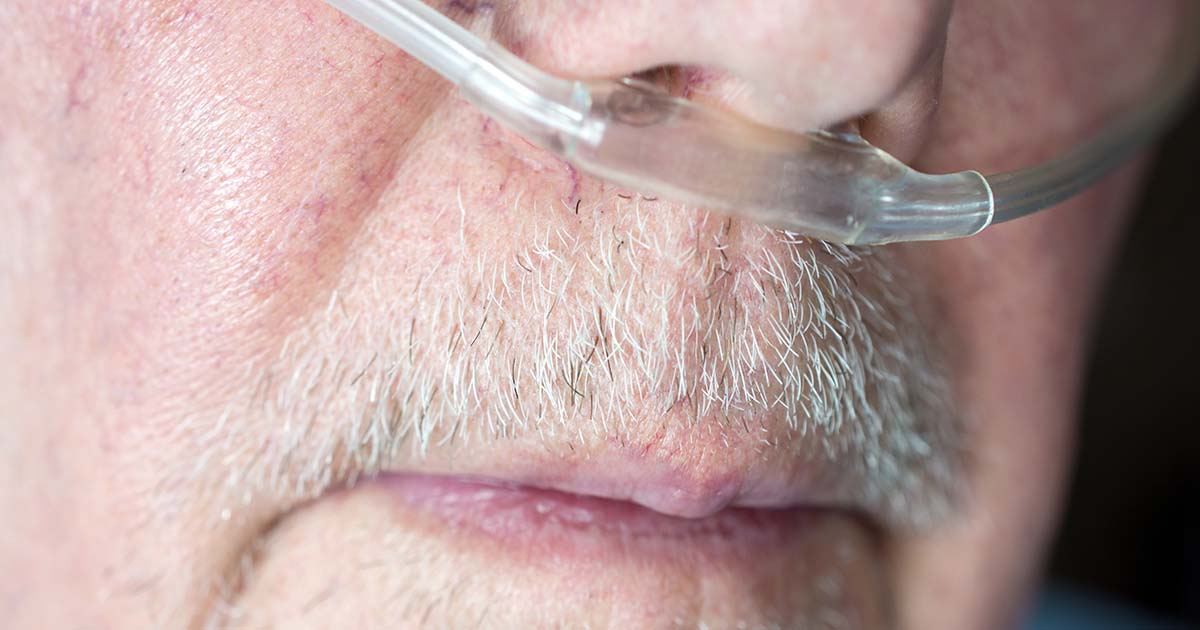
- Oxygen Therapy: For individuals with low blood oxygen levels (hypoxemia), supplemental oxygen can improve breathing, reduce strain on the heart, and enhance overall quality of life. This is often prescribed for advanced stages of COPD.
- Pulmonary Rehabilitation: This comprehensive program is a game-changer for many with COPD. It combines exercise training, education about lung disease management, nutritional counseling, and psychological support. Pulmonary rehabilitation helps improve endurance, reduces shortness of breath, and enhances the ability to perform daily activities.
- Vaccinations: Getting vaccinated against influenza (flu) and pneumonia is crucial for people with COPD, as these infections can trigger severe exacerbations and lead to serious complications.
Lifestyle Adjustments and Self-Care
Beyond medical interventions, daily habits play a vital role in managing COPD:
- Avoid Lung Irritants: Steer clear of secondhand smoke, air pollution, chemical fumes, and heavy dust. Use air purifiers if needed.
- Maintain a Healthy Diet: Eating nutritious foods provides the energy needed for breathing and daily activities, and helps maintain a healthy weight.
- Stay Hydrated: Drinking plenty of fluids can help thin mucus, making it easier to cough up.
- Regular Physical Activity: Even light, regular exercise, as advised by your doctor or pulmonary rehabilitation specialist, can strengthen breathing muscles and improve overall fitness.
- Breathing Techniques: Learning specific breathing exercises, such as pursed-lip breathing, can help manage shortness of breath.
- Emotional Support: Living with a chronic condition like COPD can be challenging. Seeking support from family, friends, support groups, or mental health professionals can be incredibly beneficial.
Living with
Chronic Obstructive Pulmonary Disease requires ongoing commitment and collaboration with your healthcare team. While the journey can be challenging, proactive management strategies offer significant relief and allow individuals to lead fuller, more active lives. Early diagnosis and consistent adherence to treatment plans are key to navigating this complex lung disease effectively.